

Using Data for Good: A Crash Course
Our response to "What can I do?"
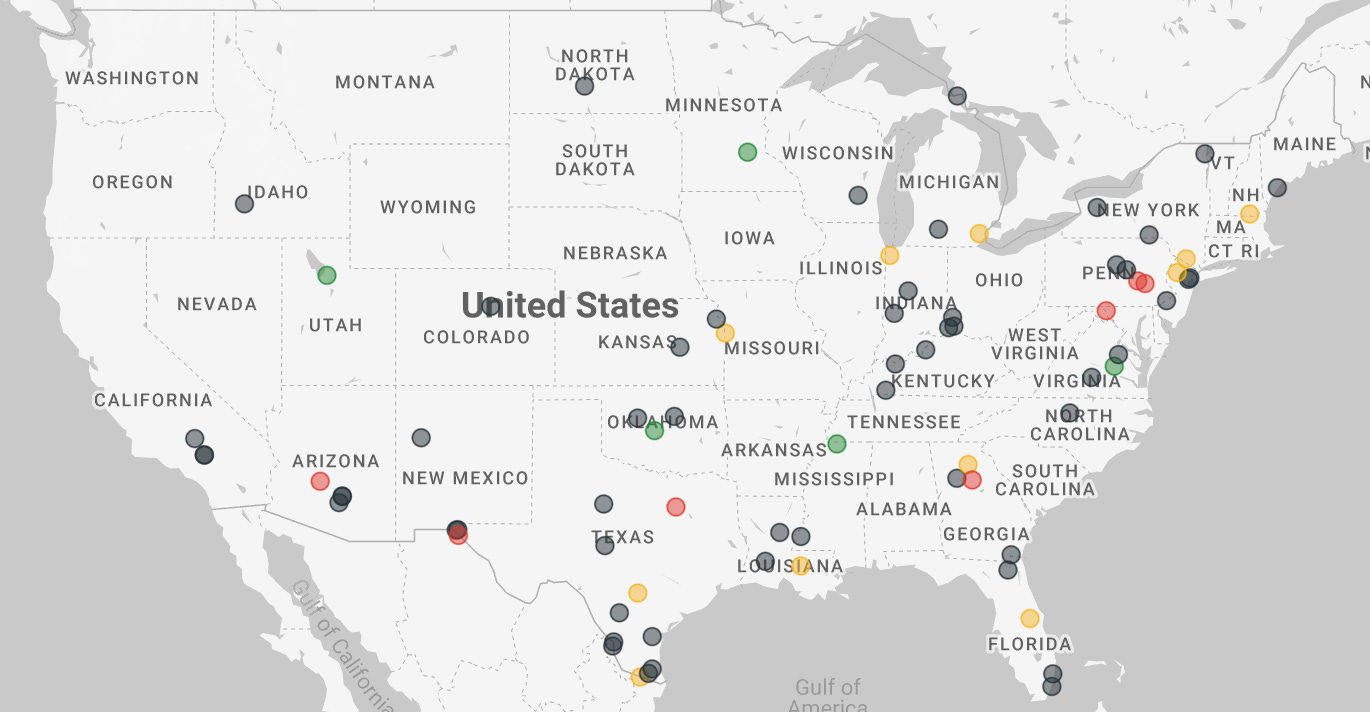
This is a bit different than our regular posts, but a lot of people have been reaching out to our team asking what many of us are asking ourselves: “What can I do?” The whole purpose behind Project Salt Box is to find data from publicly available sources (e.g. government contracts, FOIA libraries, local records, etc.) and use that data for good. As an example, we created the ICE Warehouse Tracker that folks have been using nationwide to pressure local governments and business owners into backing out of/stopping the proposed warehouse purchases for detention centers.
Here are a few data sources our team has been using and ways that you can use them in your own communities.
Project Salt Box Warehouse Tracker

To bring transparency to ICE’s massive detention expansion, our team developed the warehouse tracker. This tool provides a central hub for tracking the specific properties under federal consideration, providing insights into address information, ownership, current sale status, and detailed building specifications.
USASpending.gov
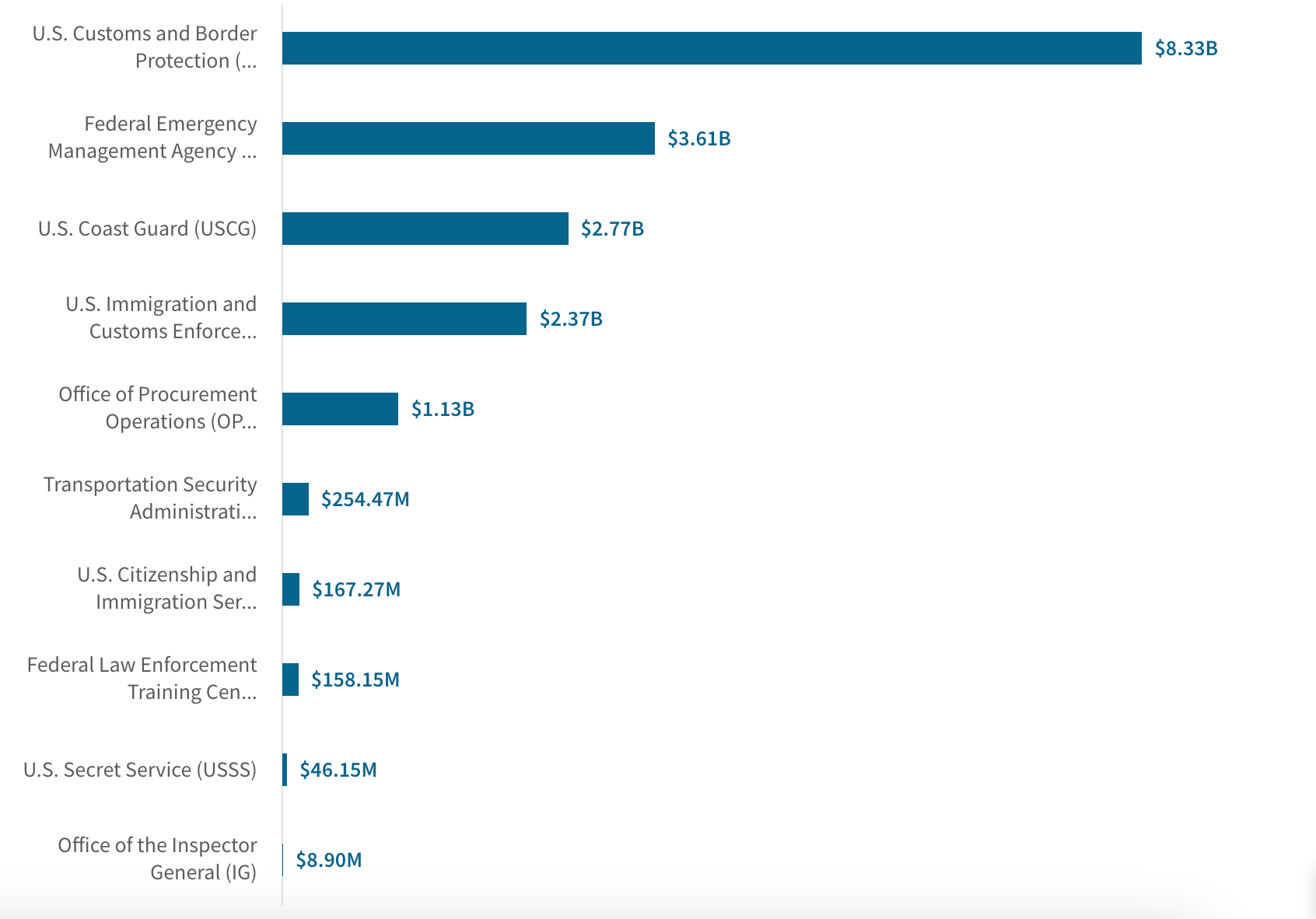
This is the big one. USAspending.gov is the official public database that tracks how the federal government spends taxpayer money, from multi-billion-dollar programs down to individual contracts and grants. It’s essentially a “follow the money” tool that lets you see exactly where your tax dollars are going in your own community and across the country.
Through the website, you can filter spending by agency, location, date, and even company to see how your tax dollars are being spent. We have been using USASpending.gov to track ICE spending and have been analyzing trends to try to predict where they might be going next.
Local Public Records
USAspending provides a great high-level overview of where the government is spending its money, but the real details lie in local public records. These can be smaller state and local government contracts, deeds, permits, city council meeting records, etc. Admittedly, these are harder to track down, especially since each city publishes its records differently. Here are our recommendations on where to start.
Building and Permit Portals
County Assessor/Tax Collector websites
County Clerk websites
City Council websites
Business Registries
FOIA Libraries
FOIA (Freedom of Information Act) libraries are a great resource to find previously requested records from an agency. Federal law also requires agencies to publish documents that are commonly requested to their FOIA libraries. We recommend always checking the FOIA library before submitting a request, as someone else may have already requested the same information! For our work on Project Salt Box, we have been using FOIA libraries to find new or updated detention contracts, track compliance with detention standards, and pull various agency reports.
I Have the Data…Now What?
Data is just data until you give it a voice. While there are endless ways you can use the data from the above, here are our recommendations for using this data in your community defense efforts, specifically to block or delay the transitioning of warehouses into detention centers.
Community Impact Statements/Flyers: Politicians and business owners are more responsive to quantitative data that demonstrates impact on the community. Create community impact statements using the data at local council meetings to move the conversation from a general “we don’t support this detention center” to “here are the specific reasons a detention center would be bad for our community.”
Pressure the “Middlemen”: The federal government can be hard to communicate with, but a warehouse owner, business, or contractor is easier to reach. Use USAspending.gov or local property records to find specific companies with contracts impacting your community. Organize community letters or petitions directly to the property owner. Let them know that hosting a detention center will lead to constant protests, negative press, and a damaged reputation in the town where they live and do business.
Leverage Local Media: Journalists are frequently spread thin and don’t always have time to “follow the money.” Send the data (the contracts, property owners, permits, etc.) to an investigative reporter. A news article about the negative impacts of a detention facility in your community may be enough to pressure local officials to back out of a deal.
Knowledge is our Best Defense
The expansion of the detention system relies on silence and the assumption that regular people aren’t paying attention. By digging into these records, you are proving them wrong. You don’t need to be a lawyer or a professional investigator to make a difference. You just need the persistence to keep digging and the courage to share what you find.
That said, we know that deep-diving into public records is a massive undertaking that doesn’t always fit into a busy schedule. If you’re unable to lead the research yourself, please know that our team at Project Salt Box is dedicated to doing the heavy lifting for you. You can continue to rely on our published trackers and reports to fuel your advocacy efforts while we handle the data mining.
If you find something in your sleuthing you think would be valuable for us to include in our reporting, email us at projectsaltbox@proton.me.
Saw the segment on Maddow💥 Kudos👍👏 F**k🥶
What can I do to oppose the Hagerstown MD facility?